Meet the Clinician
Jillian Carroll, M.S., CCC-SLP
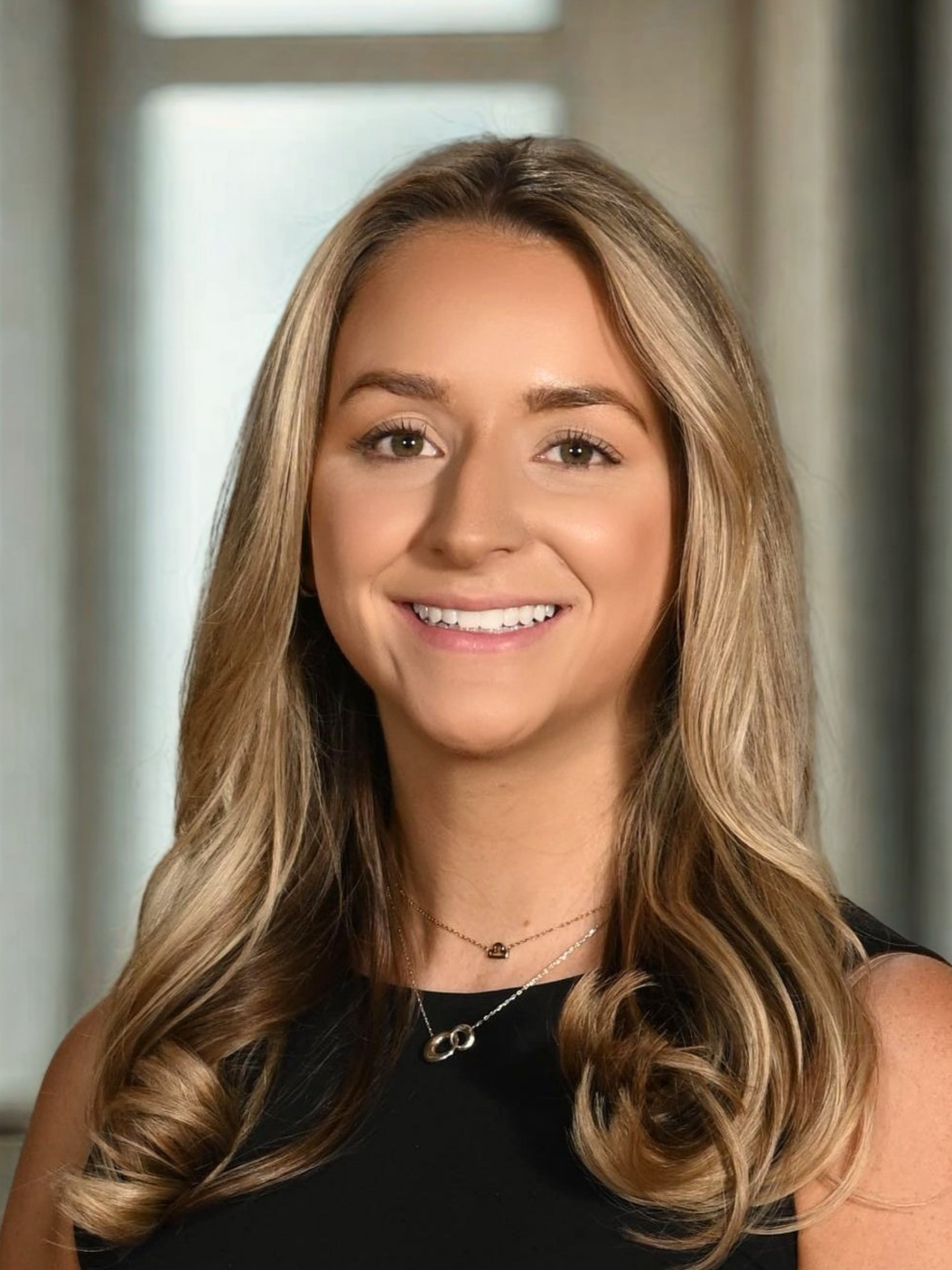
Jillian Carroll is a speech-language pathologist specializing in neurodevelopmental communication support for adolescents and young adults. Her work focuses on functional communication, AAC, autism, executive functioning, cognitive communication, social communication, self-advocacy, and the increasingly complex communication demands of adolescence and adulthood.
Her clinical style is neuroaffirming, collaborative, trauma-informed, and individualized to each person’s communication profile, strengths, experiences, and goals. Jillian believes communication support should extend beyond isolated skills and connect meaningfully to school, relationships, work, independence, and everyday life.
-
Jillian earned her Bachelor of Science in Psychology from the University of North Carolina at Chapel Hill with a minor in Communication Sciences and Disorders. After graduation, she became involved in neurocognitive and dementia research, developing an early interest in the relationship between cognition, communication, and everyday functioning.
She later worked as a research specialist in the University of South Carolina’s Department of Communication Sciences and Disorders, contributing to research focused on autism, Fragile X syndrome, and the transition from adolescence into adulthood. Through this work, Jillian participated in multi-site, grant-funded research collaborations with teams at the UC Davis MIND Institute and Vanderbilt University, gaining experience within interdisciplinary neurodevelopmental research across institutions.
Jillian went on to complete her Master of Science in Speech-Language Pathology at the University of South Carolina while continuing her research work. Her graduate training included a neurogenic communication emphasis and completion of a master’s thesis, further strengthening her understanding of the relationship between cognition, communication, function, and participation across the lifespan.
-
Jillian’s clinical training included an externship in adult inpatient rehabilitation, where she worked with individuals experiencing neurogenic communication and cognitive-communication challenges. This experience strengthened her understanding of the relationship between cognition and language — including attention, memory, executive functioning, problem solving, self-awareness, and the ways these skills influence communication and participation in everyday life.
Working in rehabilitation also reinforced the importance of setting goals that are functional, personally meaningful, and connected to the environments individuals are working to return to. That perspective continues to shape Jillian’s approach today: therapy should not simply improve performance within a session, but help individuals communicate, problem-solve, advocate for themselves, and participate more successfully in the activities and roles that matter to them.
After graduate school, Jillian relocated to Northern California and completed her clinical fellowship in the high school setting, where she quickly developed a strong passion for working with adolescents and transition-aged young adults. Supporting students as they navigate increasingly complex communication and cognitive demands — including executive functioning, identity development, self-advocacy, postsecondary planning, relationships, and independence — felt like a natural extension of her earlier neurodevelopmental research and adult rehabilitation training.
Jillian currently works extensively with autistic adolescents and young adults, AAC users, and individuals with complex communication and neurodevelopmental profiles. Her experience across research, adult neurorehabilitation, and secondary education informs a lifespan-oriented approach that considers not only what a person can do in a structured setting, but how communication and cognition affect participation in real life.
-
Jillian’s clinical interests include AAC and multimodal communication, autism, executive functioning, cognitive communication, social communication, transition-aged support, self-advocacy, and functional communication across everyday environments.
She is committed to ongoing professional development and regularly pursues continuing education related to autism, ADHD, anxiety, trauma, sensory differences, executive functioning, AAC, and other factors that can influence communication and participation. This continued learning helps inform an approach that recognizes communication cannot be understood in isolation from the way a person processes information, regulates, experiences their environment, develops relationships, and navigates everyday demands.
Jillian has a particular interest in supporting autistic adolescents and young adults with high-masking or less easily recognized presentations, including individuals whose communication, executive functioning, sensory, or self-advocacy needs may be overlooked or misunderstood.
The goal is not to teach one “right” way to communicate, but to better understand how each person’s brain, experiences, environment, and communication style shape what support will be most useful.
-
Jillian Carroll, M.S., CCC-SLP
Master of Science in Speech-Language Pathology, University of South Carolina
Bachelor of Science in Psychology, University of North Carolina at Chapel Hill
Certificate of Clinical Competence in Speech-Language Pathology, ASHA
California Licensed Speech-Language Pathologist
California credentialed school-based Speech-Language Pathologist
Professional experience in neurodevelopmental research, secondary education, and transition-aged communication support
Understanding the Whole Communicator
Communication is deeply connected to identity, relationships, regulation, autonomy, and participation in everyday life. Our approach focuses on supporting meaningful communication within real-world contexts, not just isolated skills.
-
Communication does not happen in isolation. Meaningful support requires understanding the whole person — including their strengths, communication style, sensory experiences, regulation, relationships, environment, daily demands, and goals.
Our approach is neuroaffirming, collaborative, trauma-informed, person-centered, and grounded in real-world application. Therapy and consultation are designed to support authentic communication, self-advocacy, autonomy, and greater access across school, home, work, relationships, and community life.
We believe support should adapt to the individual rather than expecting the individual to adapt to a predetermined model of therapy.
-
At North State Neurodevelopment & Communication, we value:
respect for all forms of communication
neurodiversity-affirming care
autonomy and self-advocacy
functional, real-world outcomes
collaboration with individuals, families, schools, and multidisciplinary teams
relationship-centered and trauma-informed practice
individualized support that honors strengths as well as needs
We believe communication support should help people feel more understood, more connected, and better able to participate in the parts of life that matter to them.
-
North State Neurodevelopment & Communication was founded to expand access to specialized communication and neurodevelopmental support for adolescents and young adults across Northern California’s North State region.
Too often, services become harder to access as children grow older — even as communication, executive functioning, relationships, education, employment, self-advocacy, and independence become increasingly complex. Families can find themselves entering one of the most important developmental periods with fewer providers who specialize in the communication needs of teens and young adults.
North State NDC was created to help bridge that gap. The practice is shaped by Jillian’s background in neurodevelopmental research, transition-focused work, high-school speech-language pathology, and a longstanding belief that communication support should connect directly to everyday life.
Our goal is to provide thoughtful, functional, and neuroaffirming support that helps individuals communicate authentically, advocate for themselves, build independence, and participate more fully across school, work, relationships, and community life.
Let’s Connect.
Send us a message to schedule your free 15-minute consultation.
Note: Please do not include medical records, diagnoses, or other sensitive health information in this form. Secure intake information will be collected separately if services are scheduled.